
The New Year’s Day Question
It was 5 pm on New Year’s Day 2025, and I was finishing my latest blog. My wife asked, “Do you write about financial planning in your blogs?”
I said I didn’t.
She said don’t you think you should
I said, “Thanks, I’ll make “Why Financial Planning Isn’t the Whole Picture for Retirement Fulfilment”, a subject of another blog.
Let’s start” by Searching for “Financial Planning for Retirement” on Google.
You’ll get 9 million search results in 1.3 seconds.
That’s a lot of advice already out there. But as someone who helps men and women over 55 build purposeful lives after their big jobs end, I know retirement is about much more than financial spreadsheets and projections.
Financial planning is important, but it’s far from the whole story.
Financial Security: Necessary but Not Sufficient
Let’s start with the basics. Retirement planning should ensure your essential needs—shelter, food, energy and social connection —are taken care of. For this, online calculators can help you determine what “secure” looks like for you. However, studies show that beyond meeting these basic needs, happiness only rises fractionally with additional wealth.
In other words, money alone won’t make your retirement fulfilling.
After a certain point, the true costs of ageing aren’t measured in pounds but in health, purpose, and connection. And here’s the kicker: no amount of financial planning can solve these issues. That’s where effort comes in.
The Real Costs of Ageing: Health and Purpose
One of the biggest financial risks in retirement is the cost of healthcare. As we age, we’re more susceptible to chronic illnesses, injuries, and cognitive decline. But here’s the good news: you can dramatically reduce these risks with proactive choices.
In fact, investing time and effort in your health now can save you from enormous medical expenses later.
But health isn’t the only currency of a meaningful retirement. Purpose is just as vital. Without it, even the most financially secure retirement can feel empty.
I know wealthy people who travel to exotic places, own palatial homes in Europe, travel first class most of the time, and eat at fabulous restaurants, and I would not swap my more modest life for theirs.
As I’ve said before, when they eventually settle at their home base, they must purposefully fill those 16 hours per day. They, too, will have to make the effort to build strength and find the resilience to fight against Father Time.
Does the high life help or hinder this fight?
Five Investments for a Healthy, Purposeful Retirement
Instead of focusing solely on financial portfolios, consider these five “investments” that can transform your later years:
Strength Training
Preserving muscle mass isn’t just about looking good; it’s essential for mobility, balance, and injury prevention. Regular strength training helps you stay active and independent. Check my Leg Strengthening Video here https://youtu.be/bxMMvpClEqE?si=JAitaNxJAWE9bx3L
Deep Sleep
Sleep is the body’s natural recovery tool. Prioritising quality sleep improves memory, boosts energy, and supports overall health. Lack of purpose can and will affect your ability to sleep well or even too much. Check my Struggling to Sleep Blog https://ageingresponsibly.com/sleep/
Social Connection
Loneliness is as harmful as smoking 15 cigarettes a day. Building strong social networks keeps your mind sharp and your heart happy. This takes effort, planning, and giving of your time
Purposeful Living
Whether mentoring, volunteering, or exploring a long-held passion, having a sense of purpose adds structure and meaning to your days.
Wholesome Nutrition
Eating nutrient-dense home-cooked food fuels your body and mind, helping you stay energised and resilient. Learn to cook simple, healthy meals; it does not need to be fancy.
Why Effort Matters More Than Wealth
We live in a culture that seduces us with comforts and conveniences. The temptation to overconsume—be it fine wine, rich food, or indulgent experiences—becomes easier when you can afford it.
Meanwhile, the labour tasks that once kept us active are outsourced to robotic vacs, lawnmowers, or people. Why strain yourself when there’s a gadget or service to do it for you?
But this lifestyle of ease comes at a cost. Comfort can dull our edge, making us resistant to the very discomfort that drives growth. The fine wine and food culture might bring fleeting pleasure, but it rarely inspires the kind of resilience and vitality that come from pushing boundaries.
Fulfilment isn’t found in perpetual indulgence but in the effort and grit of meaningful activity. Discomfort, whether it’s physical exertion, mental challenges, or tackling new skills, is where true growth lies.
The True Measure of a Fulfilled Retirement
In the end, retirement isn’t about how much money you’ve saved; it’s about how much life you’re living. Ask yourself:
- Are you prioritising your health?
- Are you finding purpose and meaning in your days?
- Are you nurturing relationships and connections?
By focusing on these investments, you can build a retirement that’s not just secure but deeply fulfilling.
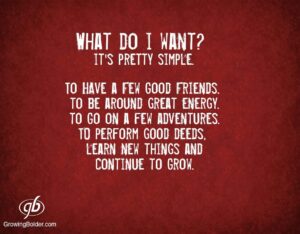
A Final Question
What are you doing today to invest in your health, purpose, and happiness for the future?
If you’re ready to explore how to age responsibly and live a meaningful life after your big job ends, subscribe to my blog for weekly insights—or join my 60-day coaching course to kickstart your reinvention journey.
The “3 legged stool” was the way I learned it. We are balanced on a 3 legged stool and we must keep them all level. The first leg is Health. Lose this leg and nothing much else matters. The second is Wealth. We need enough for personal security for the rest of our lives. The third is Family. Perhaps briefly covered at the end of your blog. Without people to share experiences with, life is hollow. We stand on all 3 legs and must maintain each equally.
Thanks, Howard. I like the three-legged analogy. But I know people who sit on wobbly stools where the need for wealth can cause an imbalance.